GLP-1 menopause weight loss

GLP-1 Weight Loss in Midlife: Why “Eating Less” Isn’t the Answer After 40

If you’re a woman in your 40s or 50s using (or considering) GLP-1 medication and thinking:

  • “I’ve already tried eating less.”

  • “Why does my body respond differently now?”

  • “Why does restriction just leave me tired, flat or stuck?”

You’re not imagining it — and you’re not failing.

GLP-1 weight loss in midlife plays by very different rules than weight loss did in your 20s or 30s. And the biggest mistake women are encouraged to make after 40 is believing they simply need less food.

They don’t.

How Hormones Change the Rules After 40

Perimenopause and menopause fundamentally change how your body responds to food, stress and exercise.

Key shifts include:

  • reduced oestrogen affecting insulin sensitivity

  • altered cortisol response to stress and under-eating

  • reduced muscle protein synthesis

  • a greater tendency to store fat centrally

This means the old “eat less, move more” advice becomes not just ineffective — but counterproductive.

When GLP-1 is layered on top of this hormonal landscape, appetite drops fast… but physiology still needs fuel, protein and strength signals.

Why Aggressive Calorie Restriction Backfires in Midlife

Eating very little might move the scale — temporarily.

But for midlife women, it often leads to:

  • muscle loss

  • fatigue and low mood

  • disrupted sleep

  • stalled metabolism

  • rebound weight gain

GLP-1 can unintentionally amplify this by making it easier to under-eat.

The body responds by:

  • slowing metabolic rate

  • conserving energy

  • increasing stress hormones

  • prioritising fat storage when food returns

This is why so many women say:

“I’m barely eating… but nothing’s shifting.”

Muscle, Insulin Sensitivity & Metabolic Health

After 40, muscle becomes the most important metabolic asset you have.

Muscle:

  • improves insulin sensitivity

  • stabilises blood sugar

  • increases resting energy expenditure

  • protects against weight regain

  • shapes the body as fat is lost

GLP-1 supports appetite control — but it does not protect muscle on its own.

Without protein and resistance training, weight loss becomes muscle loss — and metabolic health suffers.

Midlife women need protein even when appetite is suppressed on GLP-1.

Hormones and GLP-1: Why Less Food Isn’t the Fix

Hormonal bodies are signal-driven, not calorie-driven.

They respond to:

  • protein intake

  • resistance training

  • regular nourishment

  • recovery and sleep

  • stress regulation

This is why simply “eating less” often makes symptoms worse:

  • energy drops

  • cravings return

  • motivation fades

  • progress stalls

GLP-1 must be paired with intelligent fueling — not restriction — especially for women over 40.

Why GLP-1 for Women Over 40 Needs a Different Approach

For midlife women on GLP-1, success looks like:

  • enough protein to preserve muscle

  • strength training to protect metabolism

  • gentle consistency over extremes

  • structure without punishment

  • nourishment without fear

This is not about pushing harder.
It’s about supporting a body that has different needs now.

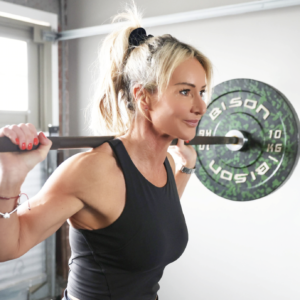
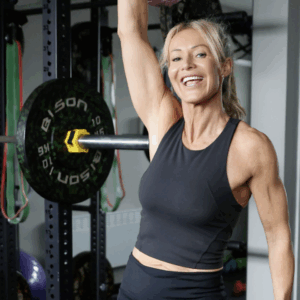
Strength training protects metabolism after 40.

A Compassionate Reframe (This Matters)

If you’ve:

  • dieted for decades

  • blamed yourself when things stopped working

  • felt like your body was “broken”

  • believed you lacked willpower

Please hear this:

Your body hasn’t failed.
The advice was outdated.

Midlife bodies don’t respond to punishment.
They respond to support, safety and strength.

GLP-1 Can Be a Tool — Not Another Battle

GLP-1 can be incredibly helpful — when used wisely.

Paired with:

  • adequate protein

  • strength training

  • metabolic support

  • compassionate structure

…it becomes a way to rebuild trust in your body — not fight it.

You Deserve Support, Not More Rules 💛

Midlife bodies need support, not punishment.

Long-term success depends on how you come off GLP-1.

If you’re using GLP-1 and want an approach that respects your hormones, metabolism and long-term health, you don’t have to navigate it alone.